Analog Watches 101
The Anatomy, History, and Allure of Analog Mechanical Watches
Analog mechanical watches, often seen as the embodiment of craftsmanship and precision, have made a significant impact on horology. They reflect not just timekeeping ability but also a rich history of innovation, artistry, and engineering. This article dives into the intriguing world of mechanical watches, focusing on the automatic winding mechanism, key components, leading brands, and much more.
A Brief History of the Automatic Winding Mechanism
The journey of mechanical watches began with the invention of the spring-driven movement in the 15th century. However, it wasn't until the 18th century that watchmakers began exploring ways to enhance usability. The automatic winding mechanism, also known as the self-winding movement, was invented by Abraham-Louis Perrelet in 1770. This revolutionary design allowed watches to wind themselves through the natural motion of the wearer’s wrist, negating the need for manual winding.
The process was further refined in the 19th century by the likes of John Arnold and later, Swiss watchmakers, who transformed the mechanism into a reliable feature for everyday use. The automatic movement became widespread in the 20th century, blending convenience with the mechanical elegance that enthusiasts cherish today.
Major Parts of an Automatic Winding Watch
An automatic mechanical watch consists of several key components that work together seamlessly. Here’s a breakdown of these parts and how they can be understood in relatable terms:
1. Rotor: Think of the rotor as the windmill in a farm. Just as a windmill turns and generates energy from the wind, the rotor spins as you move your wrist, winding the mainspring.
2. Mainspring: The mainspring is like a tightly coiled rubber band. When wound, it stores potential energy that slowly releases to power the watch.
3. Gear Train: Envision the gear train as a series of bicycles in a chain. Each gear transfers energy from the mainspring to the escapement, controlling the watch's movement precision.
4. Escapement: The escapement acts like a traffic light at an intersection. It regulates the flow of energy to the gear train, ensuring the watch ticks at a steady and accurate pace.
5. Balance Wheel: Similar to a pendulum in a grandfather clock, the balance wheel oscillates back and forth, allowing the escapement to release energy in small increments, contributing to the watch’s accuracy.
6. Dial: The dial is akin to a painting on a canvas. It displays the time and often, showcases the delicate craftsmanship of the watchmaker.
7. Case: Think of the case as the protective shell of a fruit, shielding the delicate parts inside from external harm.
"Time is a created thing. To say 'I don't have time' is like saying, 'I don't want to.'" - Lao Tzu

Top Mechanical Watch Brands from Switzerland
Switzerland is renowned for its impeccable craftsmanship in watchmaking. Here are some illustrious brands known for their mechanical watches:
1. Rolex: A symbol of luxury and success, Rolex is synonymous with precision and reliability.
2. Patek Philippe: Known for crafting some of the world's most complicated watches, offering a perfect blend of tradition and innovation.
3. Audemars Piguet: Famous for the Royal Oak, this brand is recognized for its exceptional quality and daring designs.
4. Omega: Renowned for its association with space exploration, Omega is known for its accuracy and durability.
5. Jaeger-LeCoultre: Often referred to as the “watchmaker’s watchmaker,” this brand is celebrated for its intricate movements and high-quality craftsmanship.
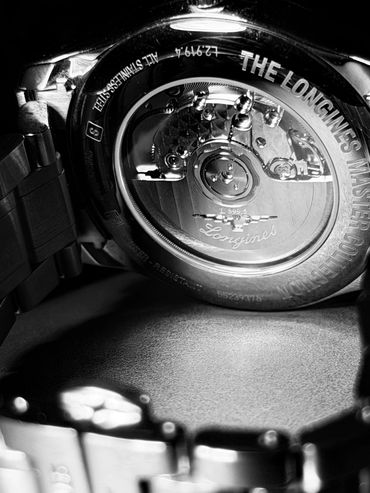
6. Longines: Founded in 1832, Longines established itself as a pioneering Swiss watchmaker, later launching its first automatic wristwatch in 1945—a significant milestone that followed years of innovation in navigation and stopwatch technology.
7. Breitling: Founded in 1884 by Léon Breitling with a focus on precision chronographs, the brand became a staple of aviation, eventually adopting automatic movements to power iconic, technical pilot watches like the Navitimer and Chronomat.
8. Cartier: Founded in 1847, Cartier revolutionized horology by creating the first modern, functional wristwatch for aviators in 1904—the Santos—which paved the way for iconic, stylish timepieces that seamlessly blended pioneering design with sophisticated mechanical movements, including modern automatic calibers like the 1847 MC.
9. Tudor: Founded by Rolex founder Hans Wilsdorf in 1926 to be an accessible, durable alternative, Tudor cemented its reputation in the 1950s by pairing high-quality Rolex Oyster cases with reliable automatic movements, evolving into a brand celebrated today for its in-house, high-performance calibers.
10. IWC: Founded in 1868 by Florentine Ariosto Jones in Schaffhausen, Switzerland, IWC (International Watch Company) combined American engineering with Swiss precision, later revolutionizing automatic watch technology with Albert Pellaton's highly efficient, bidirectional pawl-winding system in the 1950s.
“Every time I wear that watch I feel connected to him. Watches have the power to do that I think” - Matt Hranek: Author of A Man and His Watch, talking about wearing his father’s Rolex DateJust

Conclusion
Analog mechanical watches represent a blend of history, engineering, and artistry, captivating enthusiasts and collectors alike. The automatic winding mechanism stands as a testament to human ingenuity, allowing us to carry the elegance of timekeeping on our wrists. With an impressive array of brands from Switzerland and across the globe, collectors have an abundance of choices to express their style and appreciation for craftsmanship. Whether as a functional tool or a fashion statement, mechanical watches continue to evoke admiration and inspire wonder in an ever-evolving world.
Disclaimer - We are not associated with any businesses, people, or websites mentioned or linked here. We're just doing our part to educate the watch collecting community.

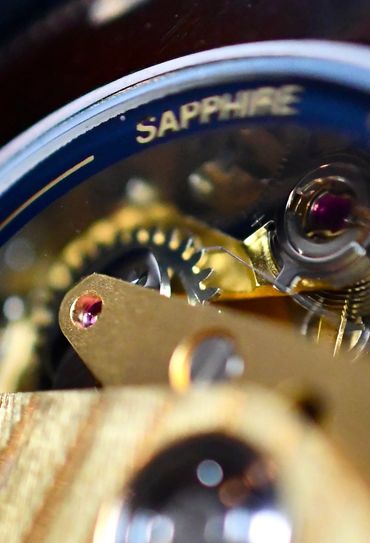
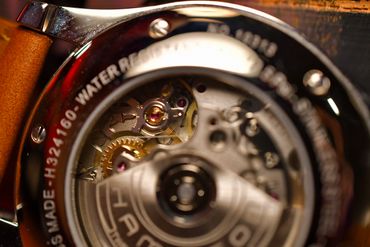
Exhibition Case Backs Showcasing Automatic Movements